
Why Equipment Tracking Solutions Are Essential for Modern Construction Teams
 |
|

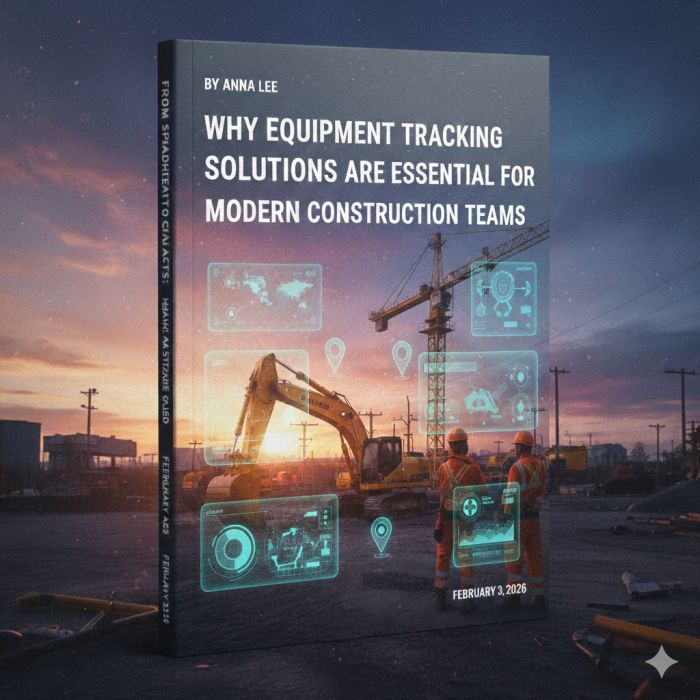
In today’s fast-paced construction industry, managing a large fleet of machinery and equipment is a significant challenge. With numerous assets across various job sites, ensuring that each piece of equipment is tracked, maintained, and utilized effectively can be overwhelming.
Equipment tracking solutions, specifically construction equipment tracking software, are rapidly becoming a necessity for modern construction teams. This software offers comprehensive tools that enhance visibility, improve resource allocation, and minimize downtime, ultimately leading to better project outcomes and more efficient operations.
The Growing Importance of Equipment Tracking in ConstructionConstruction companies rely heavily on their equipment for successful project execution. Whether it’s bulldozers, cranes, or power tools, each piece of machinery plays a crucial role in completing tasks on time and within budget. However, with multiple machines at various job sites, tracking and managing these assets efficiently can be incredibly difficult. The lack of proper tracking leads to inefficiencies such as misplaced equipment, unnecessary downtime, and an inability to monitor the health of each asset effectively.
The increasing scale of construction projects and growing demands for accuracy and speed have made traditional methods of equipment management, such as manual logs or spreadsheets, obsolete.
Key Benefits of Construction Equipment Tracking SoftwareReal-Time Asset Monitoring
One of the primary benefits of construction equipment tracking software is the ability to track equipment in real time. With GPS-enabled tracking, managers can instantly locate their machinery and tools, whether they are on a construction site or in transit.
This visibility is crucial, especially on large projects where equipment may be spread out over several areas. By knowing exactly where each asset is located, teams can ensure that the right machinery is available at the right time, reducing delays and improving overall project flow.
Improved Equipment Utilization
Effective equipment management involves not only knowing where assets are but also how often they are being used. Equipment tracking software can provide detailed reports on the utilization of each machine, including idle time, operating hours, and performance data.
By analyzing this information, managers can optimize the use of their equipment, ensuring that machinery is put to work efficiently without overuse or underuse.
This data-driven approach helps prevent equipment from sitting idle for extended periods, which would otherwise incur unnecessary costs. It also ensures that high-demand machines are available when needed, rather than having to wait for them to be relocated from other job sites.
Enhanced Maintenance Management
One of the challenges with construction equipment is keeping up with regular maintenance and repairs. Without effective tracking, maintenance schedules can be missed, leading to breakdowns and costly repairs. With equipment tracking software, maintenance tasks can be automated and integrated into the asset management system.
The software can send alerts for upcoming service intervals based on usage hours or calendar dates, ensuring that equipment is serviced at the right time.
Regular maintenance increases the lifespan of machinery, reduces downtime, and ensures that the equipment remains safe and functional. Moreover, the software allows teams to monitor key performance indicators (KPIs), such as fuel consumption or engine performance, which can indicate when a machine is starting to show signs of wear and may require maintenance sooner than expected.
Better Cost Management
Keeping a construction project within budget is crucial for maintaining profitability. One of the hidden costs in construction projects is equipment maintenance and replacement. By using construction equipment tracking software, teams gain deeper insights into the actual costs of their machinery, including fuel consumption, repair expenses, and maintenance activities. This allows businesses to accurately calculate the total cost of ownership for each piece of equipment.
The software also allows construction companies to make informed decisions about whether to repair or replace equipment. For instance, if a machine is constantly breaking down, it might be more cost-effective in the long term to invest in a new one. Tracking these costs helps avoid over-spending on repairs and ensures that assets are being used in the most economical way possible.
Improved Safety and Compliance
Construction sites are often dangerous environments, and ensuring the safety of workers and equipment is paramount. Equipment tracking software can help improve safety by providing real-time data on machine performance and location. The software can send alerts if machines are being operated outside of safe parameters or if they are in areas where they should not be.
Furthermore, construction projects must comply with a variety of regulations, such as those related to equipment maintenance, emissions, and safety standards. The tracking software can store compliance-related information, making it easier for managers to stay up to date with regulations and conduct inspections on time. This reduces the risk of fines and penalties while ensuring that the project adheres to industry standards.
Streamlined Reporting and Analytics
Another significant advantage of construction equipment tracking software is its ability to generate detailed reports and analytics. These reports provide valuable insights into equipment performance, usage, and overall fleet efficiency. By analyzing this data, managers can identify areas of improvement, assess the effectiveness of their equipment, and make more informed decisions for future projects.
With advanced analytics, teams can track key performance indicators (KPIs), such as fuel efficiency, cost per hour of operation, and maintenance costs. This information can be used to refine operations, optimize equipment usage, and improve overall project efficiency.
Overcoming Challenges in Equipment TrackingWhile the benefits of construction equipment tracking software are clear, there are still some challenges that construction teams may face when implementing such solutions.
Integration with Existing Systems
For many construction companies, integrating new tracking software with existing systems, such as enterprise resource planning (ERP) or asset management software, can be challenging. Ensuring that all systems work seamlessly together is critical for maintaining accuracy and consistency across the organization.
Initial Investment
The upfront cost of implementing construction equipment tracking software can be a deterrent for some businesses, especially small to medium-sized construction firms. However, the long-term cost savings and efficiency improvements typically outweigh the initial investment. The key is to view the software as an investment that will pay off through improved equipment utilization, reduced downtime, and better cost management.
Training and Adoption
For teams to fully benefit from the software, proper training and adoption are essential. Employees must understand how to use the system effectively and how it integrates into daily operations. This may require time and effort, but once the system is in place, the benefits will be evident.
ConclusionIn the world of modern construction, construction equipment tracking software is no longer a luxury but a necessity. As construction projects become more complex and the pressure to meet deadlines increases, companies must leverage technology to stay competitive.
With real-time tracking, enhanced maintenance management, and improved cost control, construction teams can optimize their equipment usage, extend the life of their assets, and improve overall project efficiency. By embracing this software, companies can stay ahead of the competition and ensure the success of their projects while reducing unexpected downtime and maintenance costs.

Post
| By | google_user_10656 |
| Added | Feb 3, 4:10 |
Tags
Rate
Archives
Categories
Most Viewed
-
 Find Out the Best Media Streamer That...
Jul 30 '2016, 7:55
Find Out the Best Media Streamer That...
Jul 30 '2016, 7:55
-
5 Closely-Guarded fifa 17 demo review...
Nov 11 '2016, 1:30
-
 Premium sex dolls are better
Mar 18 '2023, 2:15
Premium sex dolls are better
Mar 18 '2023, 2:15
-
Save Big on CS:GO Prime Accounts and...
May 20 '2023, 3:40
-
 How to Protect your Village in Coin...
Jan 16 '2018, 14:35
How to Protect your Village in Coin...
Jan 16 '2018, 14:35
Most Discussed
-
 Experience unparalleled companionship...
Nov 17, 2:39
Experience unparalleled companionship...
Nov 17, 2:39
-
 Increase the significance of your...
Nov 4 '2022, 0:35
Increase the significance of your...
Nov 4 '2022, 0:35
-
 5 Tips To Guarantee The High ROI Of...
Aug 26 '2021, 4:00
5 Tips To Guarantee The High ROI Of...
Aug 26 '2021, 4:00
-
Packers and Movers Pune @...
Feb 8 '2017, 1:15
-
5 Modern ways of Facebook hacking and...
Nov 23 '2016, 6:24