
Wellbeing Medical Group Integrative Cancer Care and Supportive IV Therapies
 |
|

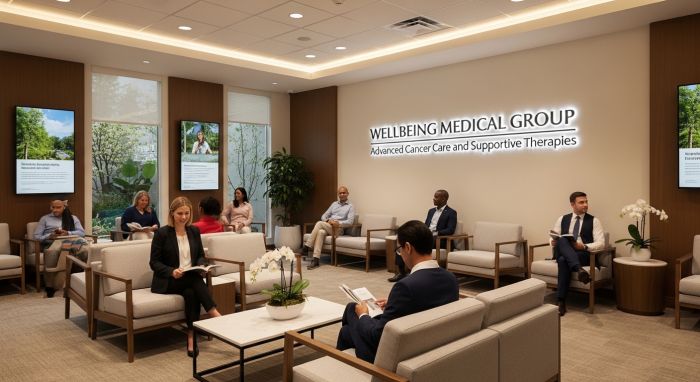
Cancer treatment has advanced significantly over the past decades, but many patients still experience physical discomfort, emotional stress, and complex symptoms during the treatment process. Modern healthcare providers now focus not only on fighting the disease but also on improving the patient’s overall quality of life. This is where integrative medicine plays an important role. It combines traditional medical treatments with supportive therapies designed to strengthen the body and help patients manage symptoms more effectively.
Within this growing field of integrative healthcare, Wellbeing Medical Groupfocuses on personalized treatment programs that support patients through different stages of their medical journey. Their approach emphasizes both advanced medical care and supportive therapies that address pain, immune system balance, and overall wellbeing. By combining modern clinical treatments with targeted supportive therapies, patients may experience better comfort, improved energy levels, and stronger resilience during treatment.
Integrative care models also focus on understanding each patient’s individual needs. Instead of applying a single treatment approach for everyone, healthcare professionals evaluate the patient’s medical history, current symptoms, and overall health goals before recommending therapies. This personalized strategy ensures that treatments are both effective and safe.
In addition to conventional cancer treatments such as chemotherapy, radiation, and surgery, supportive therapies may help patients manage treatment side effects. These therapies are designed to strengthen the immune system, reduce inflammation, and support the body’s natural healing processes.
How do plant-based infusion therapies contribute to supportive oncology programs?Supportive therapies are becoming increasingly common in integrative oncology programs because they help patients manage symptoms while undergoing intensive treatments. Infusion therapies are particularly beneficial because they deliver therapeutic compounds directly into the bloodstream, allowing the body to absorb them quickly and efficiently.
Among the various therapies used in integrative oncology, Wormwood IV Infusion Therapyhas gained attention due to its unique properties derived from the Artemisia plant. The active compound in wormwood, known as artemisinin, has been studied for its interaction with iron within certain cells. Because some abnormal cells contain higher concentrations of iron, this interaction may trigger oxidative reactions that affect those cells.
In an integrative medical setting, infusion therapy allows healthcare professionals to carefully administer controlled doses of therapeutic compounds while monitoring the patient’s response. This method ensures that treatment is delivered safely under professional supervision.
Supportive infusion therapies may also contribute to improved immune system activity and reduced inflammation. Patients undergoing cancer treatments often experience fatigue, weakness, and immune suppression. Therapies that support the body’s natural defenses may help improve overall wellness during the treatment process.
It is important to note that supportive therapies are typically used alongside conventional medical treatments rather than replacing them. Medical professionals carefully design treatment plans to ensure that different therapies work together effectively.
Why is effective pain management critical for cancer patients?Pain is one of the most challenging symptoms experienced by individuals diagnosed with cancer. It may result from tumor growth, inflammation, nerve damage, or the side effects of treatments such as chemotherapy and radiation therapy. Managing pain effectively is essential because uncontrolled pain can significantly affect a patient’s daily life and emotional wellbeing.
Healthcare providers focus on comprehensive Cancer Pain Managementstrategies that address both the physical and psychological aspects of pain. The first step in developing a treatment plan is usually a detailed pain assessment. Doctors evaluate the location, intensity, and cause of the pain in order to select the most appropriate treatment methods.
Pain management may involve different types of medications depending on the severity of the condition. Mild pain may be treated with non-opioid medications, while moderate to severe pain may require stronger medications prescribed under careful medical supervision. In some cases, doctors also use targeted treatments such as nerve blocks or specialized procedures that help control pain signals.
Beyond medication, healthcare providers may recommend supportive therapies such as physical therapy, relaxation techniques, and counseling. These methods can help patients cope with pain more effectively and improve their ability to carry out daily activities.
Proper pain management is important not only for comfort but also for maintaining emotional health. When pain is controlled, patients are often able to sleep better, maintain appetite, and participate more actively in their treatment plan.
What makes neuropathic pain different from other types of pain?Neuropathic pain occurs when nerves become damaged or disrupted, causing abnormal signals to travel through the nervous system. Unlike inflammatory pain, which usually results from tissue injury, neuropathic pain originates directly from nerve dysfunction. This type of pain is commonly described as burning, tingling, stabbing, or electric-shock sensations.
Many cancer patients experience nerve-related pain due to tumor pressure on nerves, surgical procedures, or chemotherapy treatments that affect nerve cells. Managing this condition requires specialized medical strategies that focus on regulating nerve signals rather than simply blocking pain.
In clinical practice,Neuropathic Pain Treatment often involves medications that specifically target nerve activity. Certain anticonvulsant medications and antidepressants are commonly used because they help stabilize nerve signaling and reduce abnormal sensations.
In addition to medication, healthcare providers may recommend complementary therapies such as physical therapy, nerve stimulation techniques, or cognitive behavioral therapy. These approaches can help patients adapt to chronic pain and improve their quality of life.
Early diagnosis plays a critical role in managing neuropathic pain effectively. When symptoms are identified early, doctors can implement targeted treatment strategies that prevent the condition from worsening. A combination of medical treatment and supportive therapies often provides the best results for long-term pain control.
How does supportive care improve quality of life during serious illness?Patients dealing with serious illnesses often require more than just medical treatments targeting the disease itself. They also need care that focuses on comfort, emotional support, and overall wellbeing. Supportive care services are designed to address these needs while helping patients maintain dignity and independence.
In comprehensive healthcare programs, Palliative Care Supportplays a crucial role in improving the quality of life for patients facing chronic or life-threatening conditions. This specialized type of care focuses on managing symptoms such as pain, fatigue, breathing difficulties, and emotional stress.
Palliative care teams usually include physicians, nurses, counselors, and social workers who work together to provide holistic support. Their goal is to ensure that patients receive physical relief from symptoms while also addressing psychological and emotional challenges.
One of the most important aspects of palliative care is communication. Healthcare professionals work closely with patients and their families to understand their treatment goals and preferences. This collaborative approach helps patients make informed decisions about their care.
Supportive care can be provided at any stage of illness and may be combined with curative treatments. Many patients benefit from receiving palliative care early in their treatment journey because it helps them manage symptoms more effectively and maintain a better quality of life.
Why is a personalized treatment approach essential for patient wellbeing?Every patient’s medical journey is unique, and treatment plans must reflect individual health conditions, medical history, and personal goals. Personalized healthcare focuses on tailoring treatments to meet the specific needs of each patient rather than applying a generalized approach.
Integrative medical programs often combine multiple therapies to create a balanced treatment strategy. These may include infusion therapies, pain management services, and supportive care programs that work together to support the patient’s physical and emotional health.
Healthcare providers who practice personalized medicine take time to evaluate all aspects of a patient’s health before recommending treatment options. This approach helps ensure that therapies are both effective and safe while minimizing unnecessary side effects.
The integration of advanced medical treatments with supportive care strategies can help patients manage complex health challenges more effectively. When medical teams focus on both symptom management and overall wellbeing, patients are more likely to experience improved comfort, better treatment tolerance, and enhanced quality of life.
By combining innovative therapies, effective pain management, and compassionate supportive care, integrative healthcare providers aim to create treatment environments where patients feel supported throughout their medical journey.

Post
| By | LeoGrant |
| Added | Mar 7, 8:00 |
Tags
Rate
Archives
Categories
Most Viewed
-
 Find Out the Best Media Streamer That...
Jul 30 '2016, 7:55
Find Out the Best Media Streamer That...
Jul 30 '2016, 7:55
-
5 Closely-Guarded fifa 17 demo review...
Nov 11 '2016, 1:30
-
 Premium sex dolls are better
Mar 18 '2023, 2:15
Premium sex dolls are better
Mar 18 '2023, 2:15
-
Save Big on CS:GO Prime Accounts and...
May 20 '2023, 3:40
-
 How to Protect your Village in Coin...
Jan 16 '2018, 14:35
How to Protect your Village in Coin...
Jan 16 '2018, 14:35
Most Discussed
-
 Experience unparalleled companionship...
Nov 17, 2:39
Experience unparalleled companionship...
Nov 17, 2:39
-
 Increase the significance of your...
Nov 4 '2022, 0:35
Increase the significance of your...
Nov 4 '2022, 0:35
-
 5 Tips To Guarantee The High ROI Of...
Aug 26 '2021, 4:00
5 Tips To Guarantee The High ROI Of...
Aug 26 '2021, 4:00
-
Packers and Movers Pune @...
Feb 8 '2017, 1:15
-
5 Modern ways of Facebook hacking and...
Nov 23 '2016, 6:24